Monthly Archives

February 2026

Genetic Ancestry and Skin Disease: From the SOCU Poster Hall

By Medical Dermatology

genetic ancestry and skin disease

Skin of color dermatology is evolving beyond race-based categories as researchers explore connections between genetic ancestry and skin disease.

Research outlined in a poster presented at Skin of Color Update found that genetically inferred ancestry predicts gene expression differences more accurately than self-identified race, with more than 8% of highly expressed genes—and more than 19% of skin-related genes—showing variation between ancestry groups. These differences, including genes linked to conditions such as lichen planus and skin cancer, may influence disease risk, severity, and treatment response.

In this Next Steps in Derm commentary, poster author Emily Uh, BS, shares the clinical impact of these and other findings about genetic ancestry and skin disease. While genetic ancestry should complement—not replace—clinical evaluation and consideration of social factors, ancestry-informed research may help advance precision dermatology and improve care for diverse populations.

For more articles on skin of color dermatology, including research summaries and video interviews with leading experts, visit the Skin of Color page of Next Steps in Derm.
Non-Scarring Alopecias: SOCU Interview with Dr. Victoria Barbosa

By Uncategorized

non-scarring alopecias

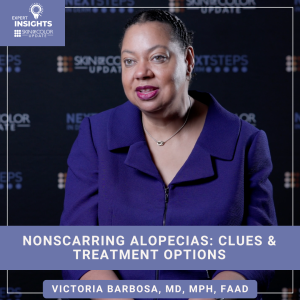
Non-scarring alopecias have many causes, from grooming practices to environmental exposure to genetic predisposition. In this Next Steps in Derm video interview from Skin of Color Update, Victoria Barbosa, MD, FAAD, addresses what dermatology clinicians should know about treating non-scarring alopecias. Dr. Barbosa, associate professor of medicine at the University of Chicago Pritzker School of Medicine, says it’s important for clinicians to take time with patients to counsel them about any behavioral modifications that can help prevent disease progression. Dr. Barbosa also outlines treatments, including JAK inhibitors for alopecia areata and oral minoxidil for female pattern hair loss. Additionally, she shares her approach to telogen effluvium, including hair loss that occurs with GLP-1 weight loss or bariatric surgery.

For more on non-scarring alopecias, join us on Saturday, June 27, for Hair and Scalp Disorders: The Rx Pad and Beyond, a virtual, one-day conference. The program provides a full-spectrum perspective on hair and scalp management, from diagnosis to therapeutics to nutrition and lifestyle factors. Led by recognized leaders, including co-chairs Adam Friedman, MD, and Amy McMichael, MD, every session emphasizes practical tools, decision-making, and real-world implementation. Register today!

Vulvar Dermatoses: From the SOCU Poster Hall

By Uncategorized

vulvar dermatoses

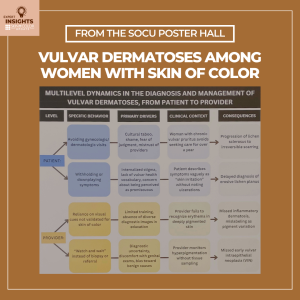
Vulvar dermatoses are often underdiagnosed in women with skin of color. Cultural stigma, structural and educational barriers, and gaps in research and clinical training all play a role in limiting care. Patients may self-manage symptoms and only seek care when the disease becomes severe. Once they seek care, they may experience gaps in clinician understanding and recognition of the severity of the disease and its quality of life impacts. These clinical barriers may lead to undertreatment.

A poster presented at Skin of Color Update examined these challenges and highlighted the need for more equitable, culturally informed approaches to vulvar dermatoses. In this Next Steps in Derm commentary, lead author Grace Herrick shares the results of a comprehensive narrative review that identified challenges and barriers to care, including the experience of shame. She also outlines a paradigm shift in how dermatology clinicians should approach vulvar health in populations that have been historically marginalized.

Hidradenitis Suppurativa in Patients with Skin of Color

By Sessions

hidradenitis suppurativa

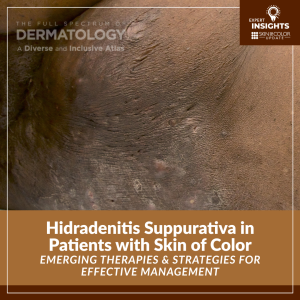
Hidradenitis suppurativa (HS) is one of the most difficult-to-treat, chronic inflammatory diseases in dermatology, particularly for patients with skin of color. At Skin of Color Update, Tiffany Mayo, MD, led a case-based discussion highlighting earlier recognition, holistic management, and existing and emerging therapies for HS. She emphasized a simple, highly sensitive screening question to reduce diagnostic delays, which currently average 7–10 years, and reviewed the complex immunologic pathogenesis and systemic comorbidities associated with HS.

This session summary outlines practical takeaways, including the importance of reducing patient stigma by reframing misconceptions about causation, while setting realistic expectations — HS is a chronic, noninfectious disease requiring long-term management. Updated U.S. and European guidelines now support a structured, severity-based approach to treatment, incorporating both flare management and maintenance care. Dr. Mayo’s session emphasized holistic, patient-centered care and emerging therapies that can help reduce delays and improve outcomes.